




7-Days Machame Route Kilimanjaro Trekking

Price

$1887

Duration

07 Days

Min Age

11

Tour Type

Hiking

Review
4.8/5
4.8/5
4.4/5
4.4/5

Overview

Embark on the renowned Kilimanjaro climb via the Machame Route, a 7-day journey famously nicknamed the “Whiskey” trail. Starting at Machame Gate, this route unfolds over lush, verdant rainforests nestled at the mountain’s southern base. Ascend to the Shira Plateau, traverse beneath the Southern Ice Field, and reach the summit from Barafu Hut. The Machame Route is an ideal pick for those seeking a picturesque yet demanding hike in minimal time. Experience the allure of Kilimanjaro’s natural beauty and adventure with this unique expedition!

Brief Itinerary :
  • Day 01: Arrival in Arusha
    Day 01: Arrival in Arusha

    Your journey begins with your arrival in the vibrant town of Arusha. Upon reaching Arusha, settle into your chosen hotel or lodge, providing you with the comfort and rest you need before your Kilimanjaro adventure. We’ll arrange a convenient time for a pre-climb briefing and a thorough check of your climbing gear. If anything is amiss, fret not – Arusha’s shops are at your disposal for any last-minute equipment you might need.

  • Day 02: Arusha to Machame Camp
    Day 02: Arusha to Machame Camp

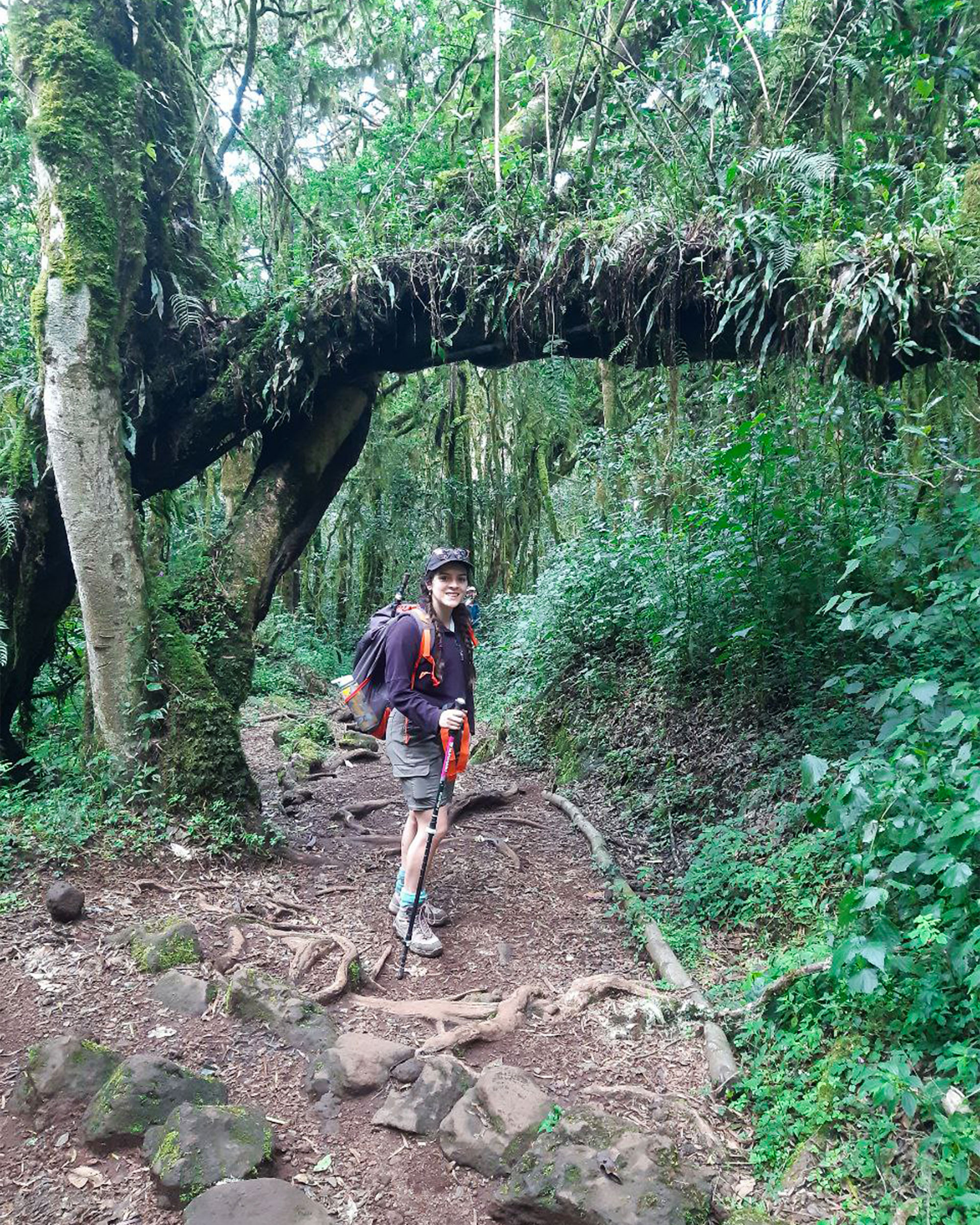
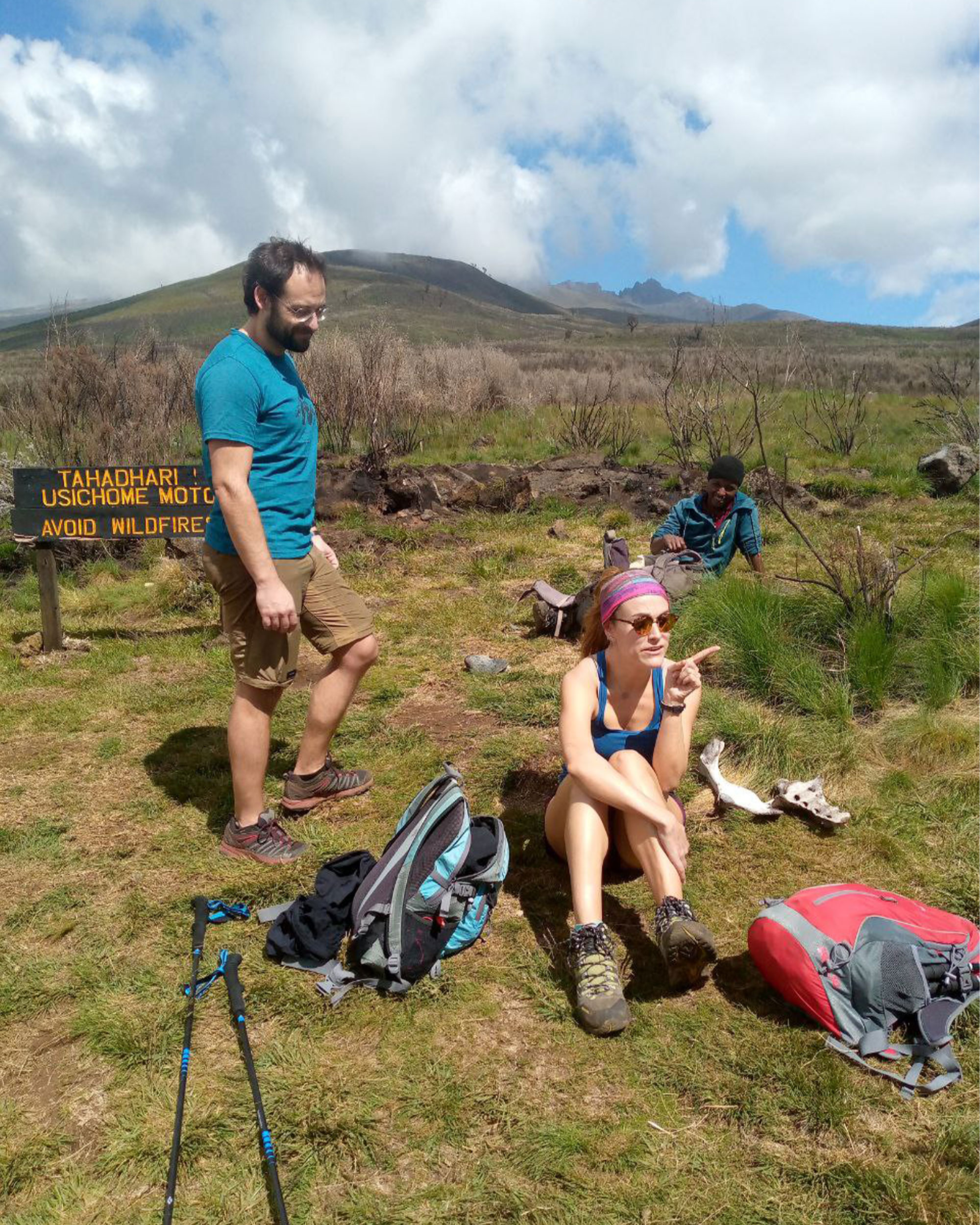
    Commence your Kilimanjaro journey from Machame Gate (1800m). Pass through lush banana and coffee farms before entering dense montane forest. A stop at halfway clearing for lunch is followed by a climb to Machame Hut (3000m), where glimpses of Kibo’s dome might grace clear skies. (6-7 hours walking)

  • Day 03: Machame Camp to Shira Camp
    Day 03: Machame Camp to Shira Camp

    Ascend to Picnic Rock, granting views of Kibo and Shira Plateau. Continue with a gentler climb to Shira Plateau, where you’ll set up camp near Shira Hut (3840m). Capture breathtaking panoramas of Kibo, the Shira Plateau, and distant Mt. Meru. (4-5 hours walking)

  • Day 04: Shira Camp to Barranco Camp
    Day 04: Shira Camp to Barranco Camp

    Embark on a panoramic climb, journeying beneath the Western Breach’s glaciers. Descend to the Great Barranco Valley (3900m) for awe-inspiring plains views before setting up camp. (4-6 hours walking)

  • Day 05: Barranco Camp to Karanga Camp
    Day 05: Barranco Camp to Karanga Camp

    Ascend the Barranco Wall and reach Kibo’s southeastern flank with views of the Southern Ice Field. The terrain shifts to scree and lush pockets. Near Karanga Camp (4000m), you’ll find the final water point before Barafu. Rest with an optional afternoon acclimatization walk uphill. (4-5 hours walking)

  • Day 06: Karanga Camp to Barafu Camp
    Day 06: Karanga Camp to Barafu Camp

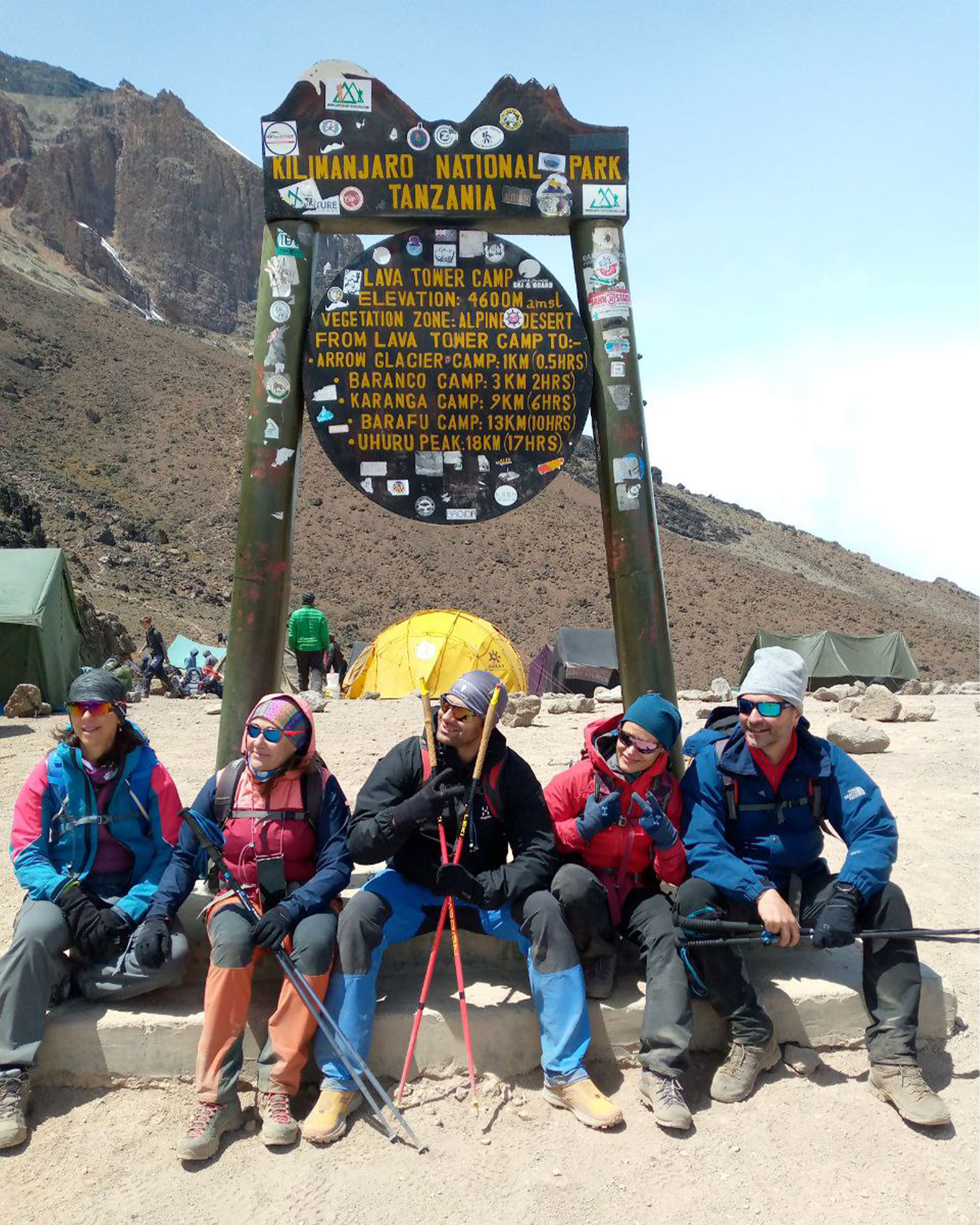
    Ascend on compacted scree, soaking in the landscape. Reach Barafu Camp (4600m) for lunch. Acclimatize at the plateau and rest for the impending ascent. (3-5 hours walking)

  • Day 07: Barafu Summit to Mweka Camp
    Day 07: Barafu Summit to Mweka Camp

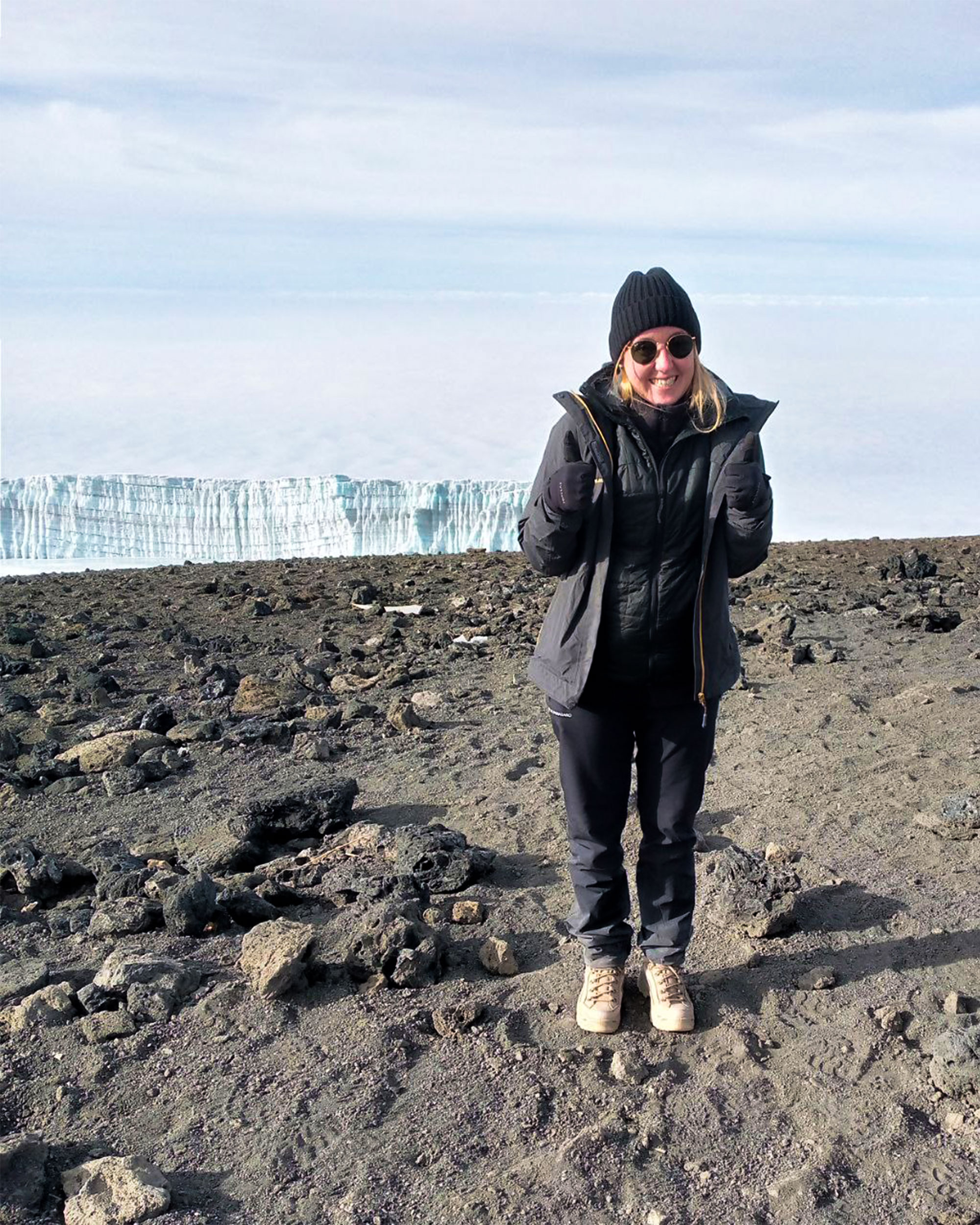
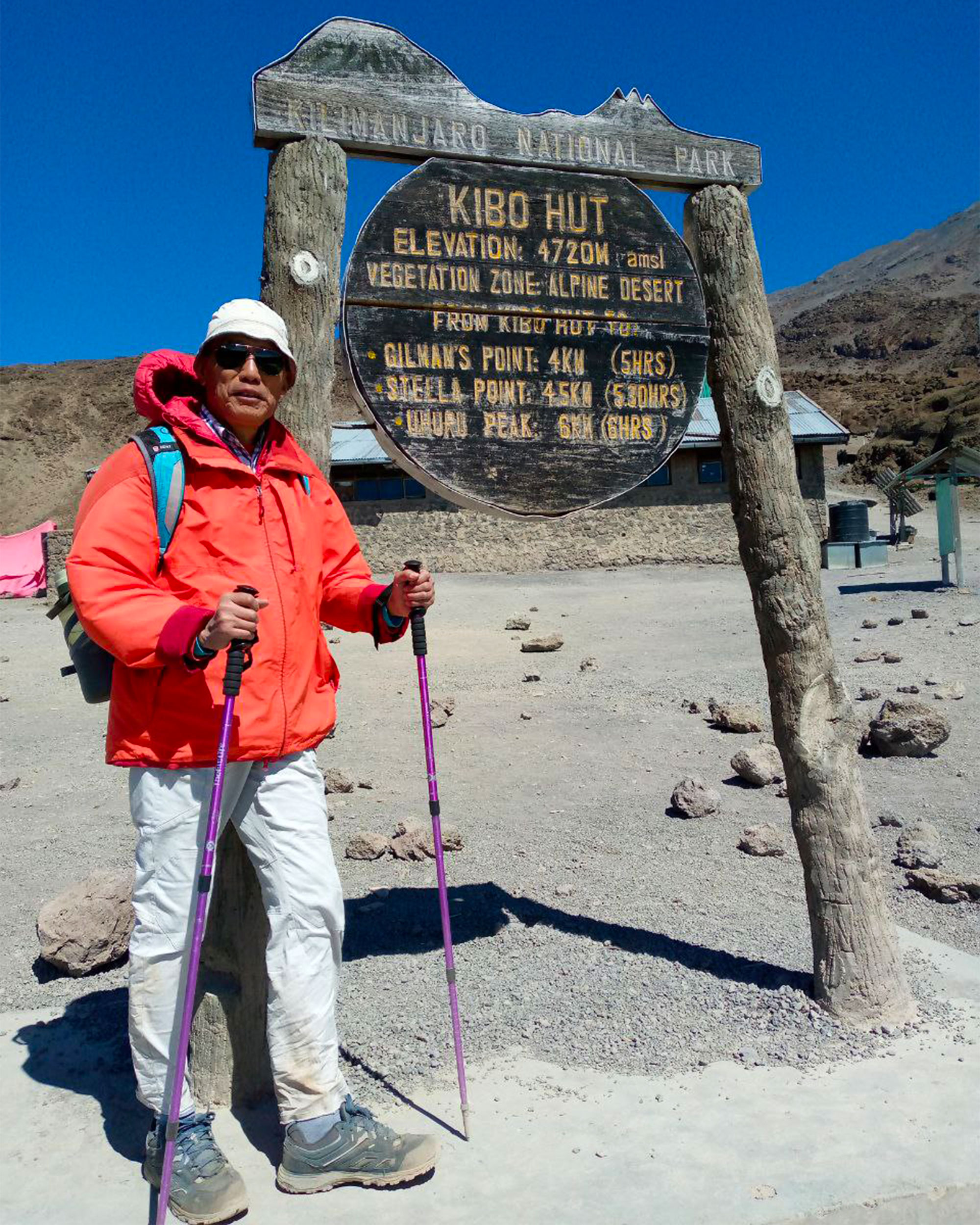
    Start your torchlit ascent before midnight, reaching Stella Point (5735m) by sunrise. Enjoy breathtaking glacier views and an optional trip to Uhuru Peak. Descend back to Barafu, pause for lunch, and continue down to Mweka Camp (3100m). (11-14 hours walking)

  • Day 08: Mweka Camp to Mweka Gate
    Day 08: Mweka Camp to Mweka Gate

    Bid farewell to your crew and embark on a private departure transfer from the hotel to Kilimanjaro International Airport (JRO), unless you choose an optional short safari or alternative arrangement.

  • Day 09: Departure
    Day 09: Departure

    Descend through the vibrant tropical forest, alive with bird calls. Reach Mweka Gate, journey through coffee and banana farms to Mweka village. (4-6 hours walking)


Kilimanjaro Trekking Price Includes
Kilimanjaro Trekking Price Does Not Include

Kilimanjaro Trekking Tipping Guidelines

When trekking Kilimanjaro, our team works hard to make your experience unforgettable. Tipping is a way to show your appreciation. Here are the recommended tipping guidelines for your Kilimanjaro trek. These amounts are for the whole group, so divide these tips among all members:

  • Senior Guide: $20 – 25 per day from the entire group
  • Assistant Guide: $15 – 20 per day from the entire group
  • Cook: $12 – 15 per day from the entire group
  • Waiter: $10 – 12 per day from the entire group
  • Porter: $8 – 10 per day from the entire group
  • Summit Porter: $12 – 15 per day from the entire group
  • Toilet Crew: $10 – 12 per day from the entire group

Kilimanjaro Mountain Clothing Essentials

Packing the right clothing for your Kilimanjaro trek is crucial for comfort and safety. Here’s what you need:

  • Warm, Windproof Jacket with Hood: Essential for high-altitude conditions on Kilimanjaro.
  • Waterproof Jacket and Over Trousers: Protect against rain and wind on the Kilimanjaro trails.
  • Walking Trousers and Long-Sleeve Shirts: Comfortable and protective for trekking.
  • Pullovers: Layering pieces for added warmth on Kilimanjaro.
  • Warm Underwear: Necessary for cold nights during your Kilimanjaro trek.
  • Good Comfortable Walking Boots: Essential for trekking over rough terrain.
  • Training Shoes: Comfortable footwear for relaxing in camp.
  • Gaiters: Protects against mud and debris on the trail.
  • Sun Hat: Provides protection from the intense sun at high altitudes.
  • Warm Hat or Balaclava: Keeps you warm in cold conditions.
  • Scarf: Extra layer of warmth for your neck.

Kilimanjaro Mountain Equipment Checklist

Having the right equipment for your Kilimanjaro trek is key to a successful climb:

  • Good Warm Sleeping Bag: A must-have for staying warm at night.
  • Water Bottle (1 to 2 liters): Keep hydrated throughout your trek.
  • Water Purification Tablets/Solution: Ensure safe drinking water on Kilimanjaro.
  • Wash Kit and Towel: Stay clean and refreshed during your climb.
  • Toilet Paper: Essential for personal hygiene on the mountain.
  • First Aid Kit: Include blister plasters, headache tablets, sun cream, lip salve, and personal medication.
  • Torch: Useful for navigating in low-light conditions.
  • Sunglasses: Protect your eyes from UV rays and glare at high altitudes.
  • Walking Poles: Provide stability and reduce strain on your joints during the trek.